The front-garden rule: permeable or planning permission
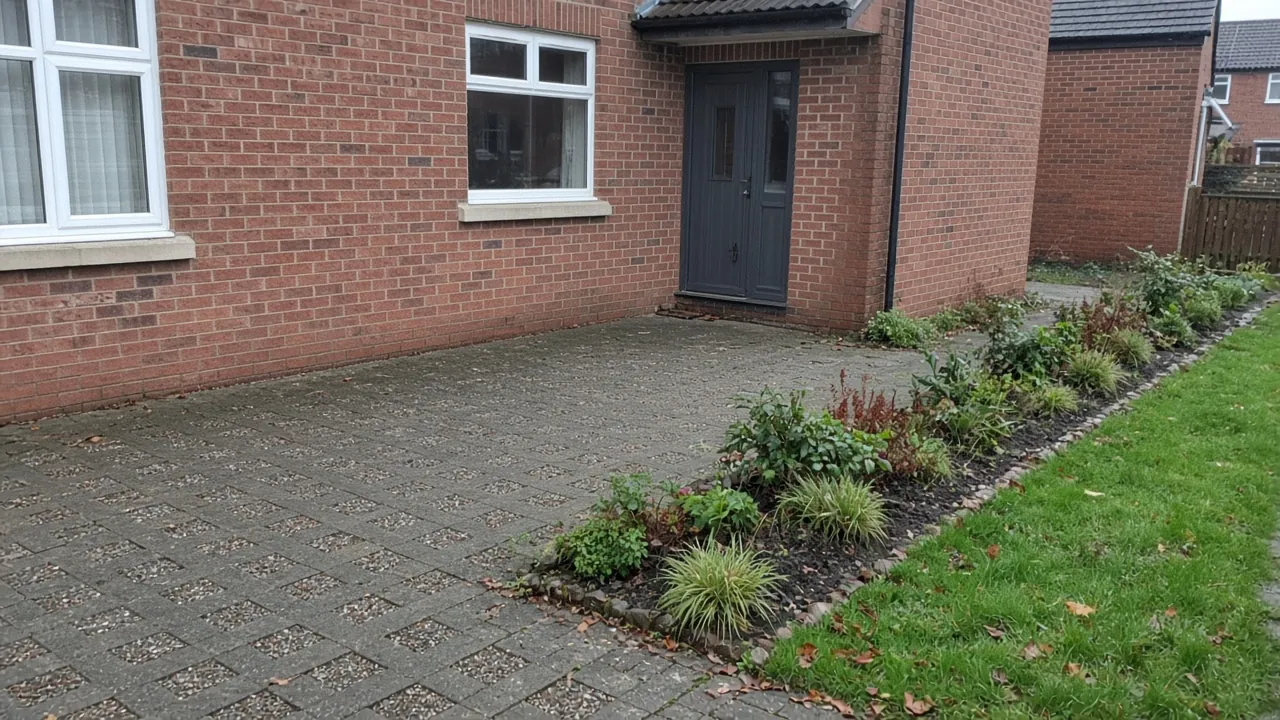
Since 1 October 2008, the rules for paving front gardens in England have depended on drainage. The government changed the General Permitted Development Order so that hard-surfacing more than five square metres of a house's front garden is permitted development only if the surface is permeable, or the water runs off onto a permeable area within your own property. If you lay traditional impermeable materials, such as plain concrete or standard tarmac, with nothing in place to handle the water, you need to apply for planning permission.
The reason is flooding and pollution. Rain falling on hard surfaces that drain straight to the road overloads drains and sewers in heavy storms. The government's guidance on the permeable surfacing of front gardens sets out the ways to meet the condition: permeable surfaces, soakaways and rain gardens. See GOV.UK: permeable surfacing of front gardens.
In practice, you have four ways to stay within permitted development on a front garden:
- Use a permeable surface. Resin bound, gravel and permeable block paving let water soak through into a free-draining base. See resin driveways, gravel driveways and block paving.
- Drain a solid surface onto your own garden. Tarmac or standard blocks can be laid to fall towards a lawn, border or rain garden that soaks the water up.
- Use a soakaway. Channel drains collect the water and pipe it to a soakaway on your land. On Teesside's heavy clay, soakaways must be sized properly; our drainage guide explains why.
- Keep impermeable paving to 5m² or less, which is rarely enough for a car.
Some important details:
- The rule is about water, not looks. Any surface can be fine if the drainage is right. A beautiful resin drive laid on a sealed, impermeable base does not meet the rule.
- Resin bound, not resin bonded. Resin bound mixes the stone into the resin and is porous. Resin bonded scatters stone onto a resin coat on a solid base and is not.
- Back gardens. Hard surfaces to the side or rear of a house are generally permitted development without the same drainage condition, unless other restrictions apply.
- Replacing an existing drive counts too. If you dig up and relay a front drive, the current rules apply to the new surface.
Most people never need a planning application. A permeable surface or proper drainage is the simplest way to stay within the rules. It is also usually better for the drive itself, because water that drains away does not freeze, puddle or wash out the base.
When you do need permission or consent
Permitted development rights do not apply everywhere. Check these before you commit to a design.
Flats and maisonettes. Permitted development rights for hard surfaces apply to houses. If you live in a flat or maisonette, a new driveway or hard standing generally needs planning permission. Leaseholders also need the freeholder's consent.
Listed buildings. Works within the grounds of a listed building, or affecting its setting, boundary walls or railings, can need listed building consent as well as, or instead of, planning permission.
Conservation areas. In a conservation area, demolishing walls, gates and fences above certain heights can need permission, and some areas have Article 4 directions that remove specific permitted development rights, sometimes including front-garden hard surfaces. Around Middlesbrough, the councils' conservation areas include:
- Middlesbrough: Acklam Hall; Albert Park and Linthorpe Road; Linthorpe; Marton and The Grove; Nunthorpe and Poole; Ormesby Hall; Stainton and Thornton.
- Redcar and Cleveland: among others, Coatham (Redcar), Guisborough, Kirkleatham, Ormesby Hall and Wilton.
- Stockton-on-Tees: among others, Billingham Green, Cowpen Bewley, Bute Street, Stockton Town Centre, Hartburn, Norton, Thornaby Green and Wolviston.
- North Yorkshire: including Great Ayton and Stokesley.
If your home is in one, talk to the council's planning team before removing a wall, hedge or front garden.
Removed permitted development rights. On some estates, the original planning permission included conditions that removed certain permitted development rights, often to keep frontages open-plan. Your council can check the planning history of your property.
Covenants. Separate from planning, your deeds may contain restrictive covenants about front gardens, walls and parking. These are private legal obligations; planning permission does not override them.
National park. If your property lies inside the North York Moors National Park, for example on the edges of Guisborough or Great Ayton, planning is handled by the national park authority.
Rented homes. If you rent, you need your landlord's written permission whatever the planning position.
Dropped kerbs: a separate consent you always need
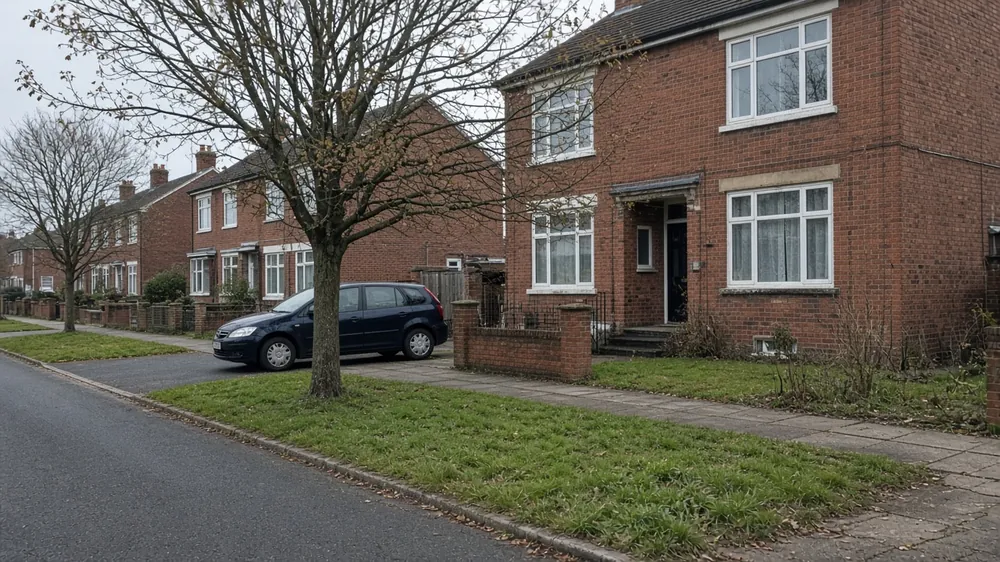
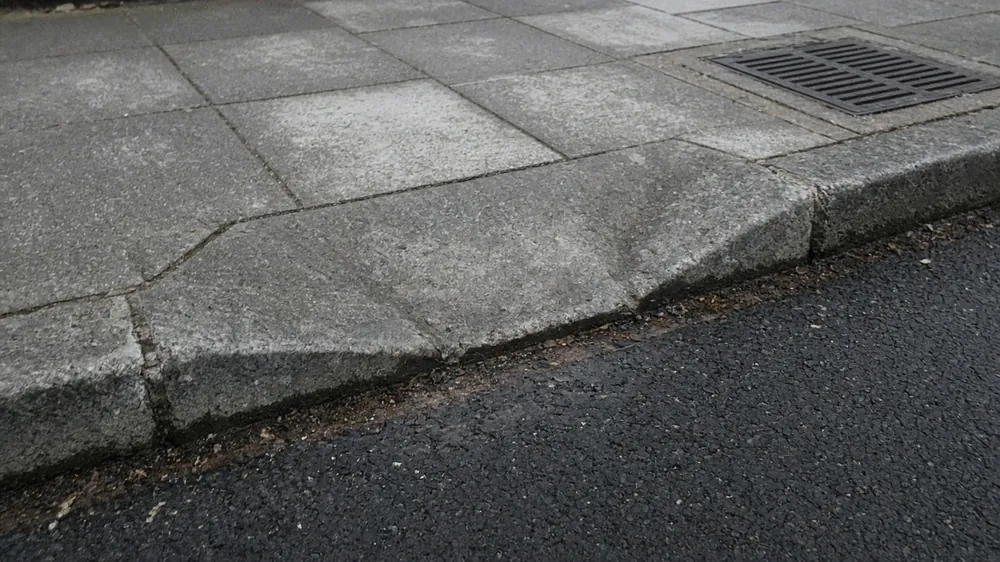
Planning permission and dropped kerb consent are different things. Even if your drive needs no planning permission at all, you cannot drive across a public pavement or verge without the highway authority's consent. Under the Highways Act 1980, councils control the construction of vehicle crossings, and building one without permission, or using ramps in the gutter, is not allowed.
Around Middlesbrough, four councils are involved:
- Middlesbrough Council: a vehicle pavement crossing licence. For 2026/27, £25.50 for the assessment and £173.40 for the licence, each with 14 days' notice. Email highwaylicences@middlesbrough.gov.uk. The crossing must be built to the council's specification by someone with £5 million public liability insurance and maintained for two years.
- Redcar and Cleveland Council: an online dropped kerb application completed by the property owner. Works are carried out at the applicant's expense by the council or its approved contractors.
- Stockton-on-Tees Borough Council: apply for a council quote to build a driveway crossing, or use a private contractor who meets the council's criteria and holds an Opening Up licence.
- North Yorkshire Council: a £310.20 domestic licence using an approved contractor, or £102.36 for a council quote. Only approved contractors may do the work.
Classified roads. A new access onto a classified road, such as an A or B road, can need planning permission as well as the highway consent, because of road safety and traffic flow. If you live on a main road, ask the council's planning team first.
Our dropped kerbs page covers the process in detail.
A quick checklist before you start
- Is your home a house? If it is a flat or maisonette, assume you need planning permission.
- Is it listed, or in a conservation area? Check the council's maps and lists. If yes, speak to the planning team before removing walls, hedges or gardens.
- Were permitted development rights removed? Ask the council to check the planning history, especially on newer estates.
- Do your deeds have covenants about front gardens, walls or parking?
- Will the surface drain? Choose a permeable surface or plan where the water goes on your own land.
- Do you need to cross the pavement or verge? Apply to the right council for a dropped kerb before any work.
- Are you on a main road? Ask whether the crossing needs planning permission too.
- Do you rent? Get written permission from your landlord.
If the answer to all of these is straightforward, you can usually go ahead without a planning application. If any are uncertain, a short email to the council's planning or highways team before you sign a contract can save a lot of trouble later. Councils can also issue a lawful development certificate if you want formal confirmation that a project is permitted development.
Questions people ask
Do I need planning permission to pave my front garden?
Not if the surface is permeable or drains onto your own land. More than five square metres of impermeable surface that drains onto the road needs planning permission.
Is a resin driveway permitted development?
A properly laid resin bound driveway on a porous base is permeable, so it usually meets the front-garden rule. Resin bonded on a solid base is not permeable.
Does block paving need planning permission?
Permeable block paving does not, and nor do standard blocks that drain onto a lawn or soakaway on your land. Standard blocks draining onto the road over 5m² do.
Do I need permission for a dropped kerb?
Yes, always. Every council requires consent before a crossing is built across a public pavement or verge, whether or not the drive itself needs planning permission.
Can I build a driveway in a conservation area?
Often, but extra controls can apply to walls, gates and front gardens, and some areas have Article 4 directions. Check with the council's planning team first.
Do flats need planning permission for a driveway?
Generally yes. Permitted development rights for hard surfaces apply to houses, not flats or maisonettes.